
Research

At the intersection of gender, sexuality, and inclusion, you’ll find Dr. Amy Moors. Whether it’s investigating stigma surrounding diverse expressions of sexuality and romantic relationships or examining the barriers to an inclusive higher education, Amy and her research team at the ONWARD lab seek answers in order to move up and onward toward a more just society.

How do monogamy ideals affect our lives?
From Romeo & Juliet to The Bachelor, our society has held up monogamy as a universal desire. From the moment we can understand the world, we are told that romantic, monogamous love is singular. Anything else is abnormal, immoral, or illegal, right?
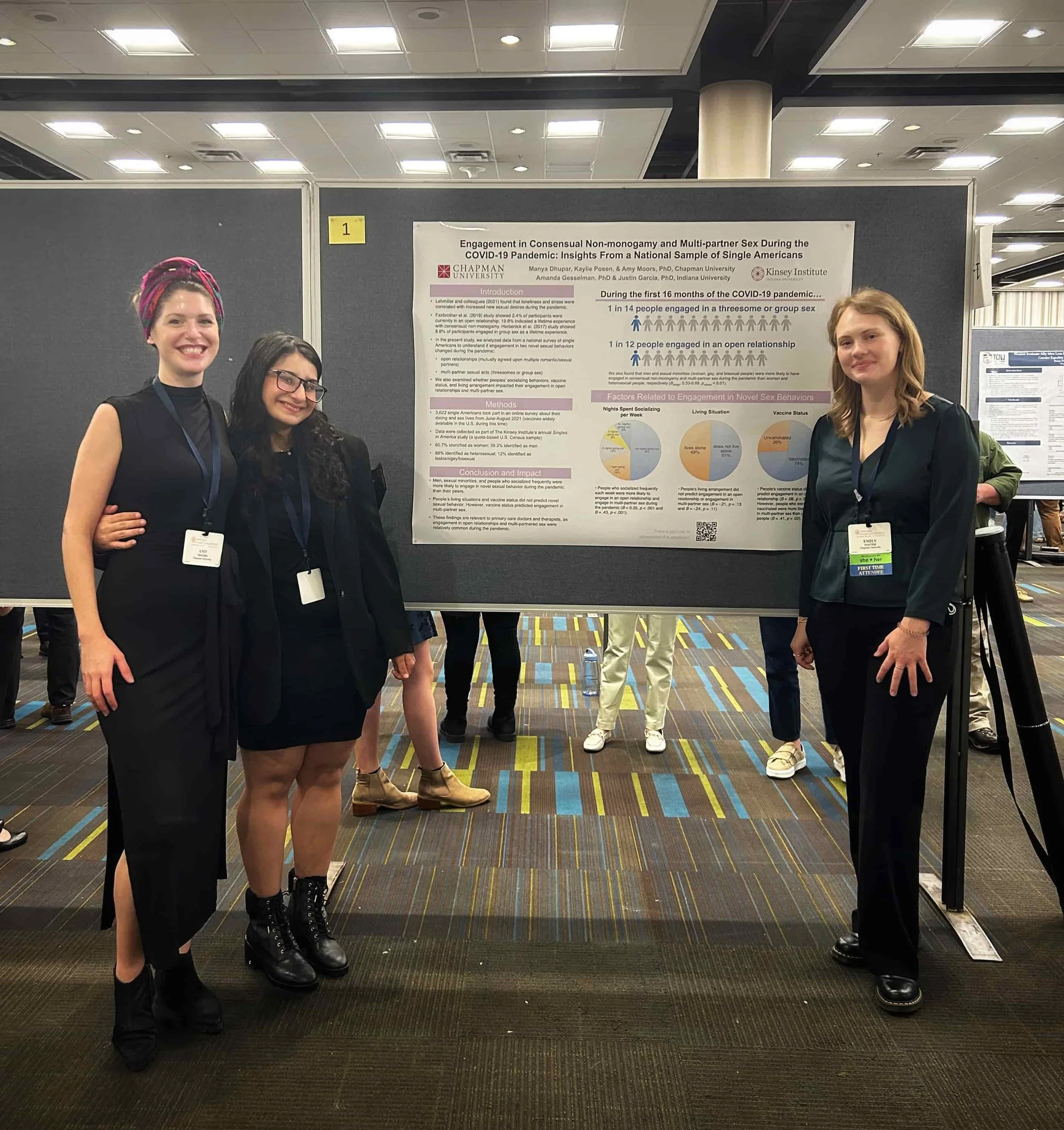
Yet, at some point in their lives, 1 out of 5 Americans have been in a consensually non-monogamous relationship, such as polyamorous or open relationships (Haupert, Gesselman, Moors, Garcia, & Fisher, 2017). Twenty percent. That’s how many Americans have a pet cat or speak another language other than English at home. You’re more likely to have been in a consensual non-monogamous relationship than to be left-handed or red-headed.
Yet this vast swath of Americans are largely ignored. And if they are considered, they’re stigmatized as deviants and ostracized from polite society (Moors & Ramos, 2022).
In the ONWARD lab, Amy and her team focus on understanding the story of the 20 percent. How does this stigmatization of their love lives affect them? Amy also examines how multiple romantic and/or sexual partners affect trust, satisfaction, sexual health, and happiness.
Along with collaborating therapists, they research inclusive ways to work with clients engaged in consensually non-monogamous relationships.

How do social norms about sexuality affect us?
We all know the score when it comes to sex outside of marriage: men are players and women are [fill in the blank with a derogatory term].
Yet why are women expected to avoid relationships that won’t culminate with a wedding ring?
Why are women often more sexually inhibited than men?
Some researchers believe there is an evolutionary mechanism to each gender’s sexual behaviors.
While others suggest social and cultural reasons explain the difference.
This is what Amy and the ONWARD lab have found. In their research they’ve discovered that women are less likely to engage in non-marriage focused sex than men because women fear social sanctions (e.g., harassment for being sexually agentic; Conley, Ziegler, & Moors, 2013). But this isn’t universal. For instance, in queer relationships it’s not necessarily one’s gender but a person’s specific personality or sexual capabilities that plays a more prominent role in their willingness to engage in multi-partner relationships or casual sex (Moors et al., 2014; Matsick, Kruk, Conley, Moors, & Ziegler, 2021).
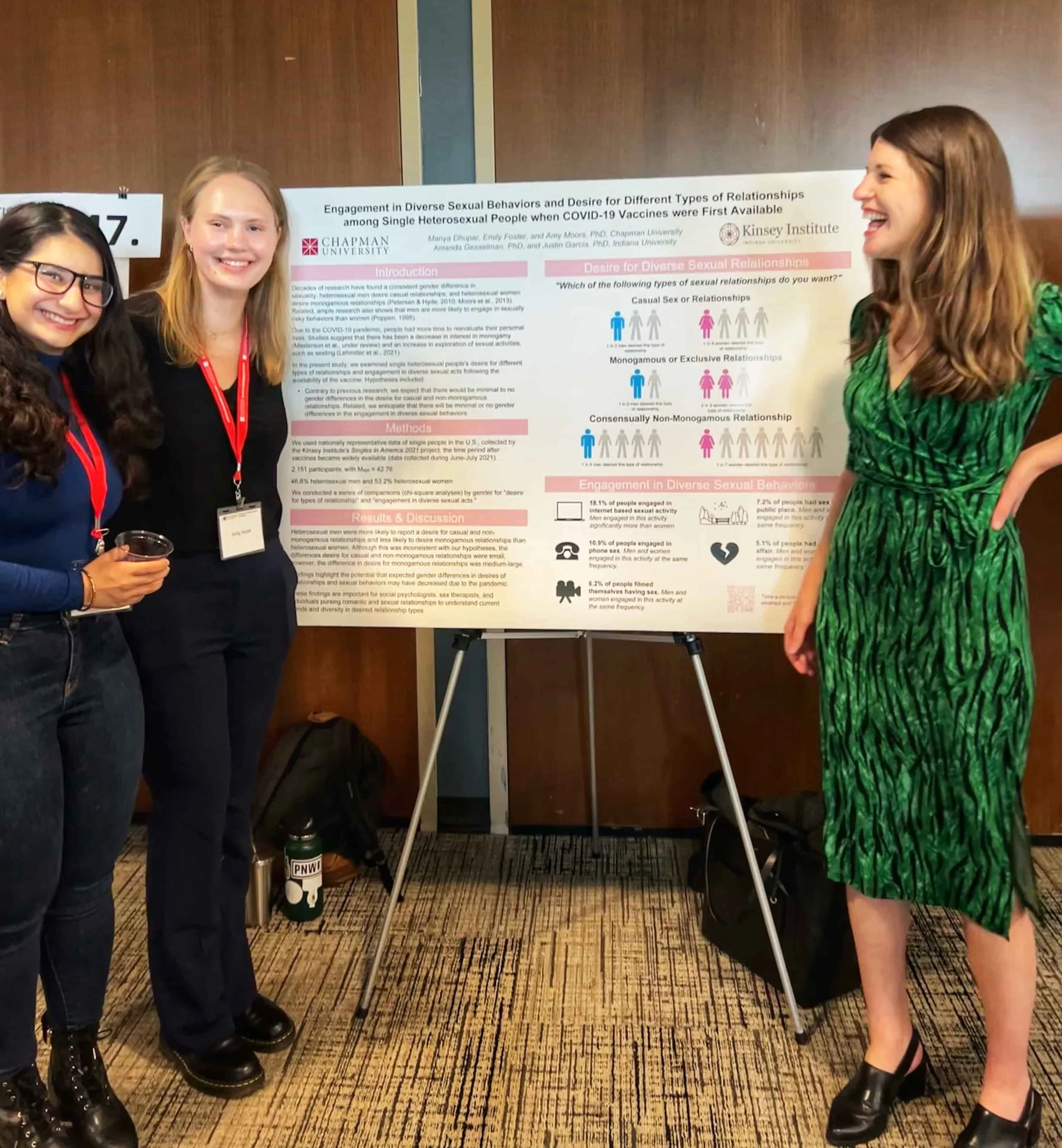
In the lab, Amy and her team study how these social norms affect dating and sexual behavior. They also look at how romantic beliefs and social pressure shape desire and dating decisions.

How do we create an equitable campus?
Many students, faculty, and administrators have a sincere desire to promote equity, but do not know how. Making real changes to the campus climate can be challenging. Responses to concerns about discrimination are, at times, ad hoc and lack a firm theoretical basis, which can make things worse.
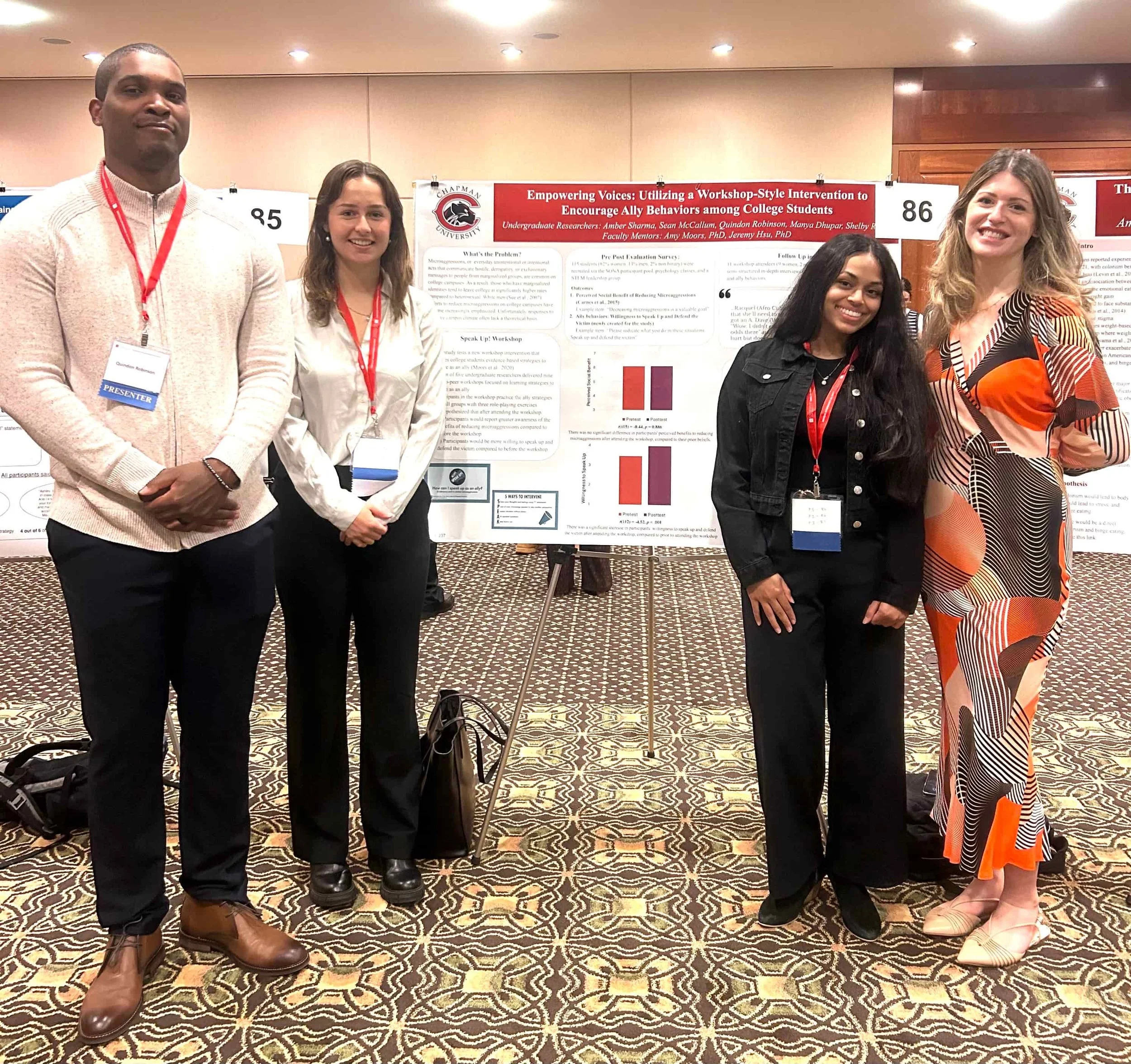
Amy and the ONWARD lab hope to bridge the gap between research on an equitable environment and the practice of creating an inclusive campus by using evidence-based and theoretically-grounded methods to promote ally engagement and improve the campus climate (e.g., Moors, Mayott, & Hadden, 2022; Moors, Hsu, Sharma, & Hu, in prep).
Some of their work focuses on developing interactive educational workshops that teach skills for conflict management and how to “speak up” and intervene in situations of injustice. They also work with administrators in higher education to develop equitable policies and practices.

The ONWARD Lab is a group of researchers, mainly undergraduates, at Chapman University who are passionate about gender, sexuality, relationships, and equity. The goal of the lab is to use science to address social issues with the hope of moving up and onward.

Amy C. Moors
Principal Investigator
Dr. Amy C. Moors is the Principal Investigator of the ONWARD lab and is currently an Associate Professor of Psychology and Faculty Affiliate in Engineering at Chapman University. She also serves as a Research Fellow at The Kinsey Institute. Amy’s research focuses on gender, sexuality, relationships (especially consensually non-monogamous relationships), and inclusion in higher education. In her free time, Amy enjoys scavenger hunts, hiking, good food, adventures, and making people smile.
Undergraduate Research Assistants at Chapman University

Bryan Jorden
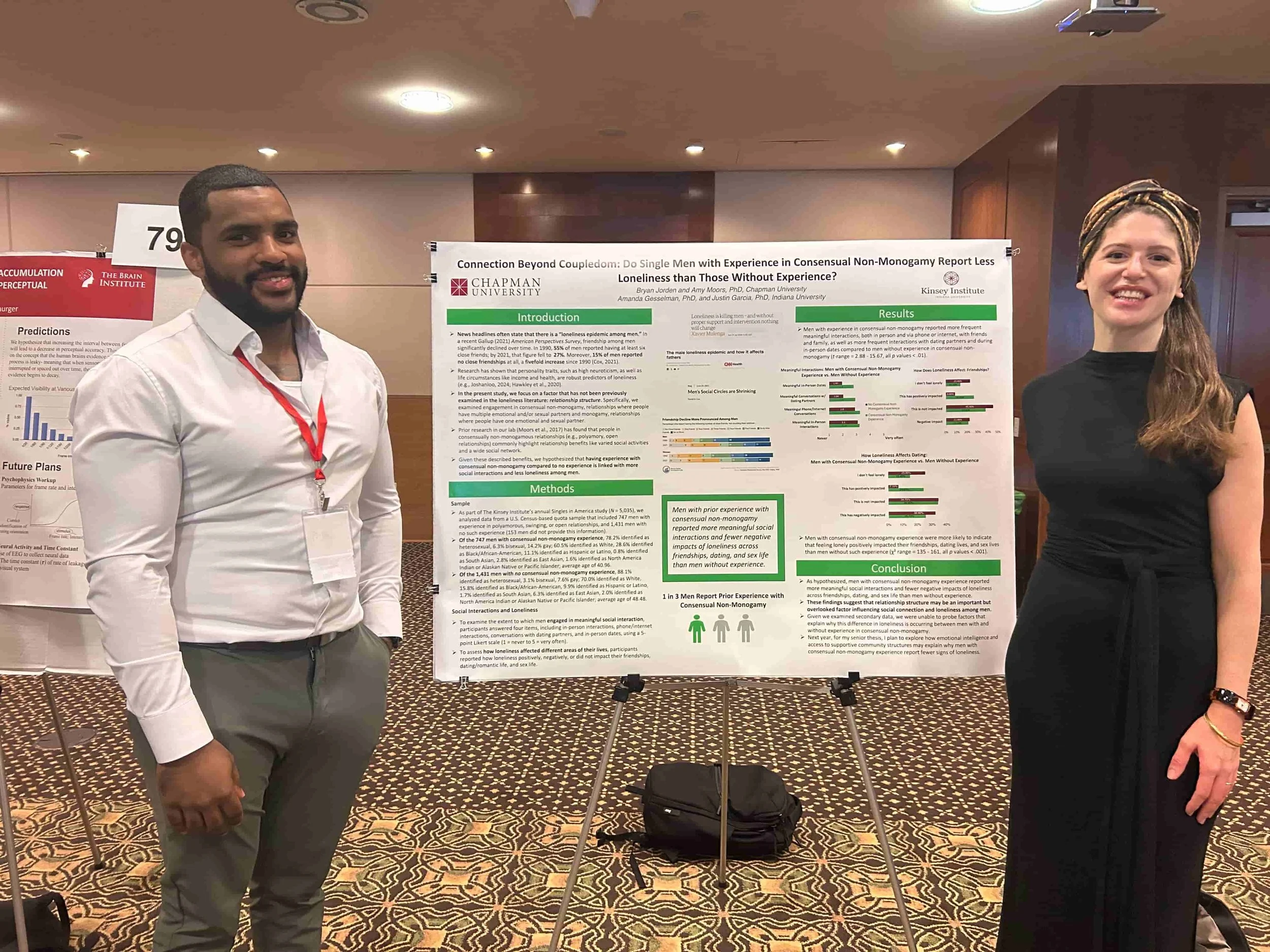
Bryan is a senior Psychology and Economics double major and his senior thesis explores how traditional dating norms affect loneliness among men. Bryan plans to pursue a career as a mental health professional, specializing in non-monogamous populations.
Kalyn Su
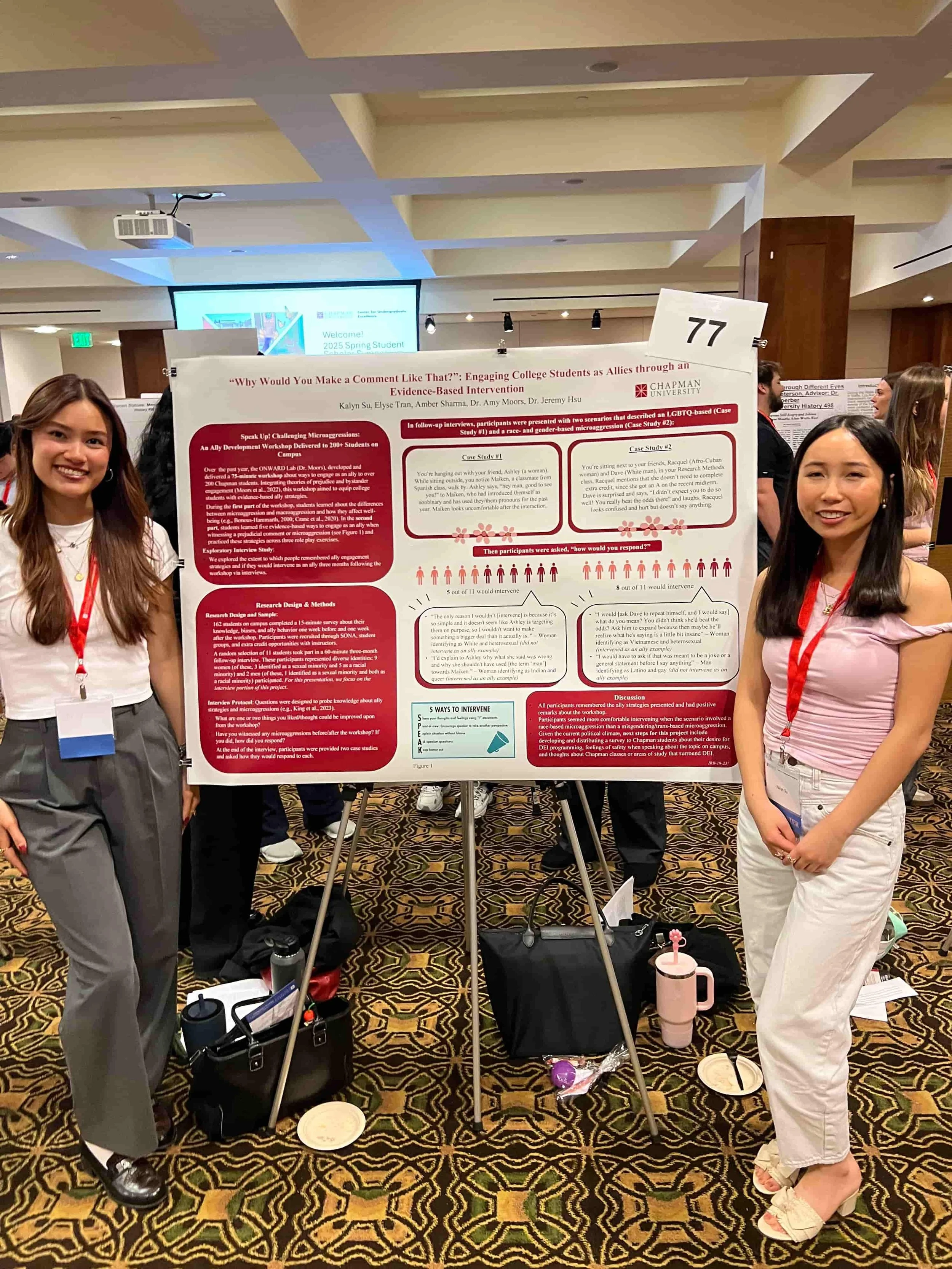
Kalyn is a senior Psychology major and her senior thesis examines how recent anti-diversity equity and inclusion legislation and cultural changes affect faculty members’ autonomy and relatedness. Kalyn will soon begin a Ph.D. program in Social Psychology and at the University of Maryland.
Elyse Tran
Elyse is a senior Psychology major and minor in LGBTQ Studies and her senior thesis explores common kink/BDSM behaviors among women and men. Elyse is currently deciding which graduate program in mental health to attend; she plans to specialize in sex therapy.
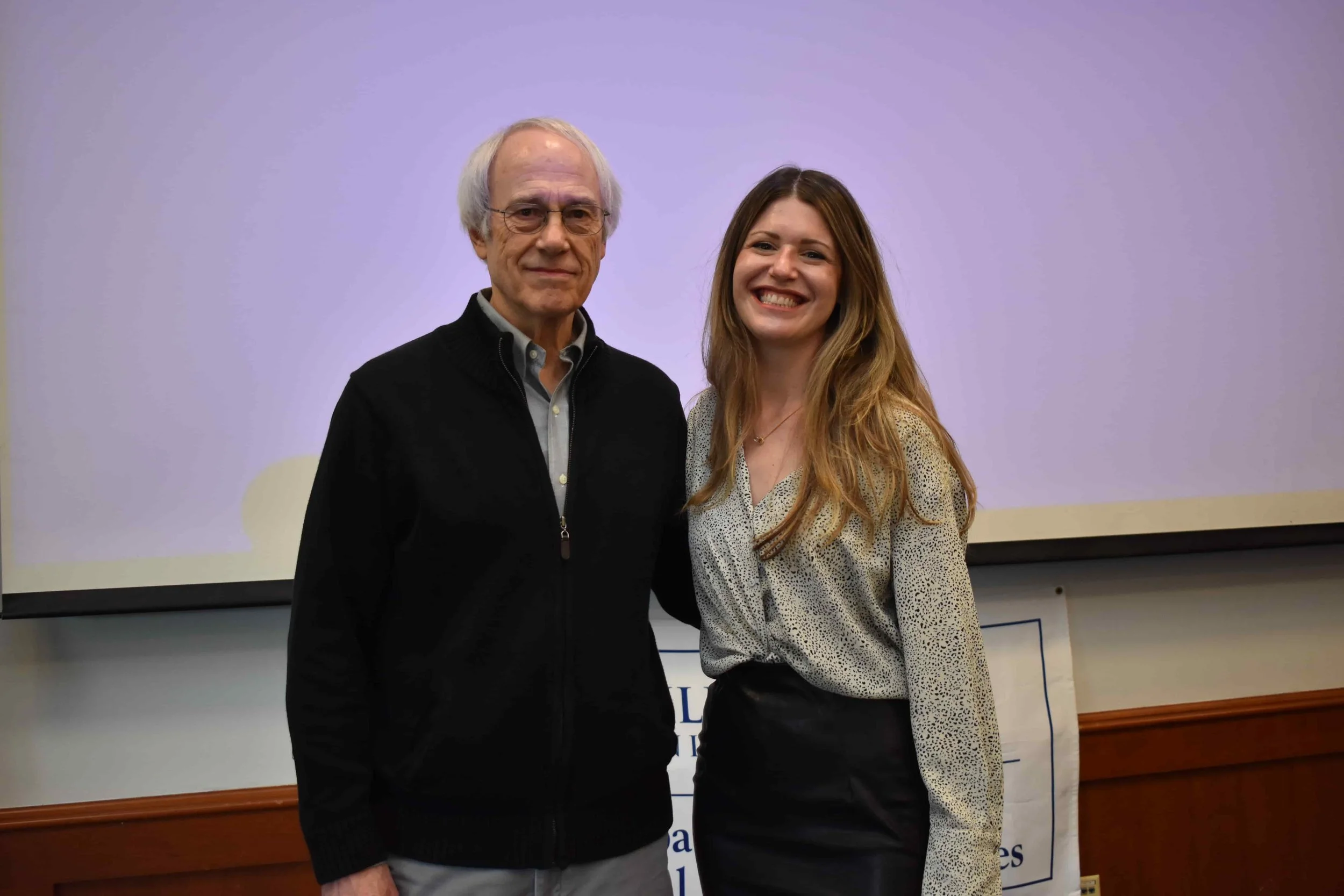
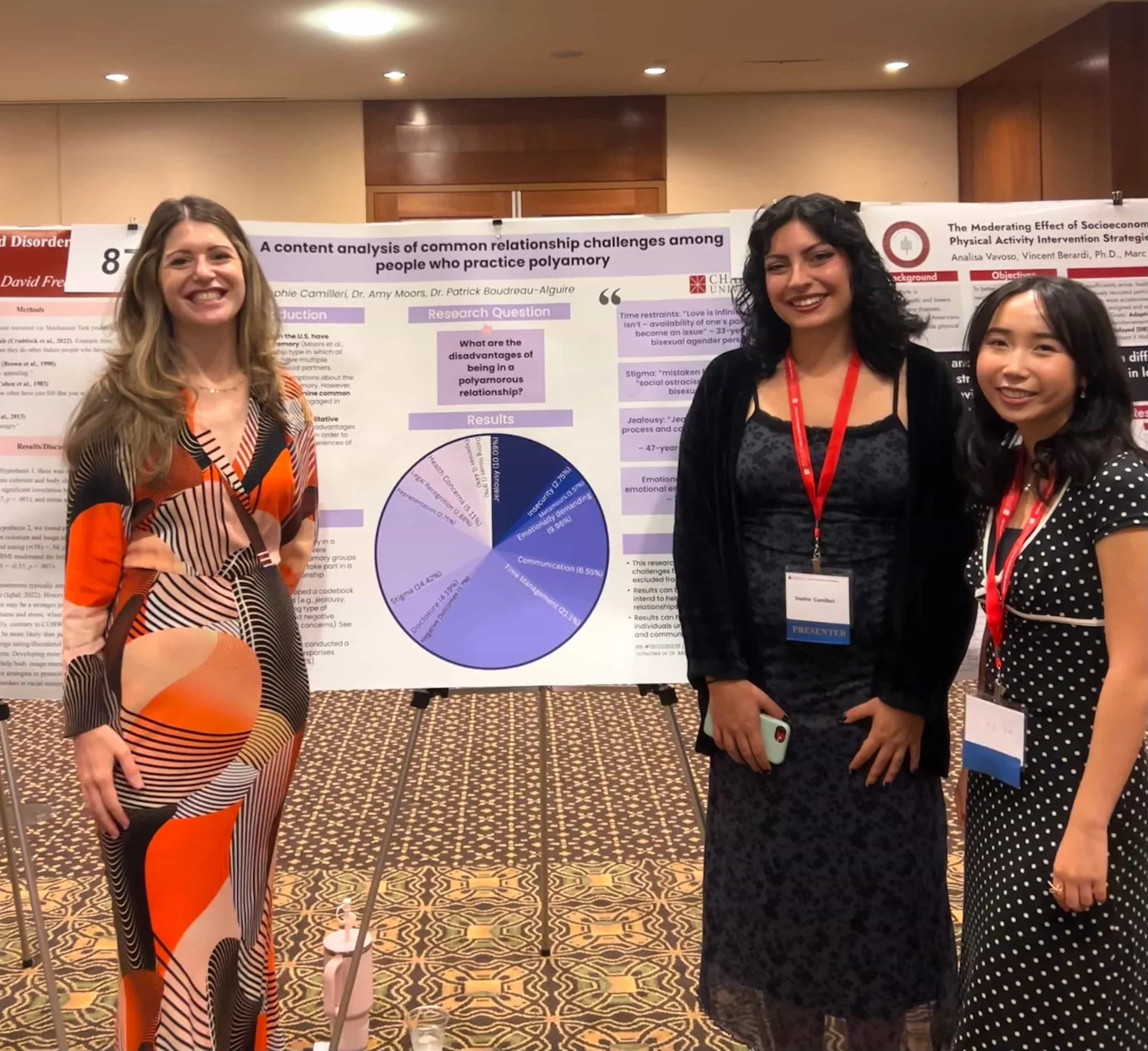
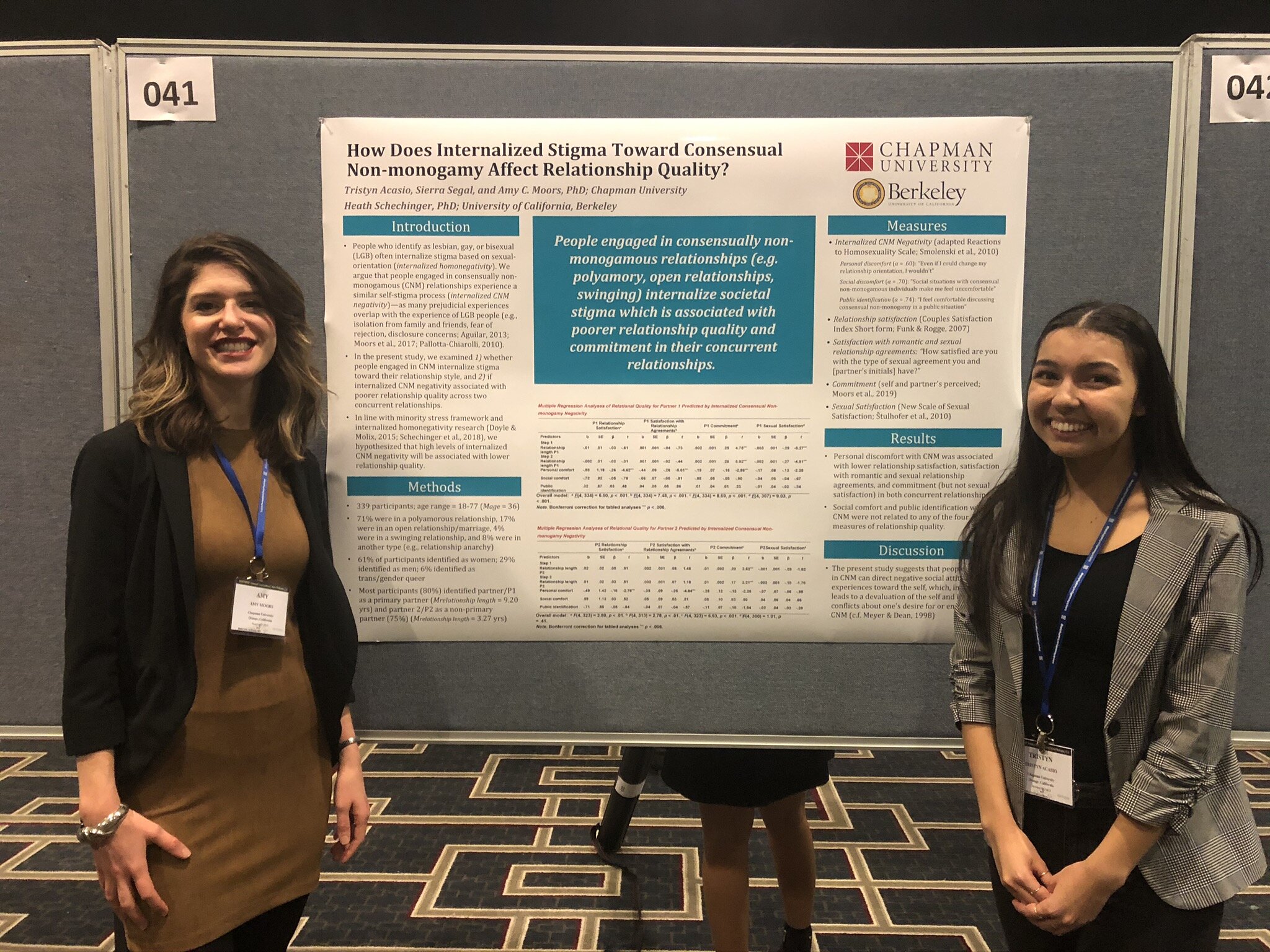
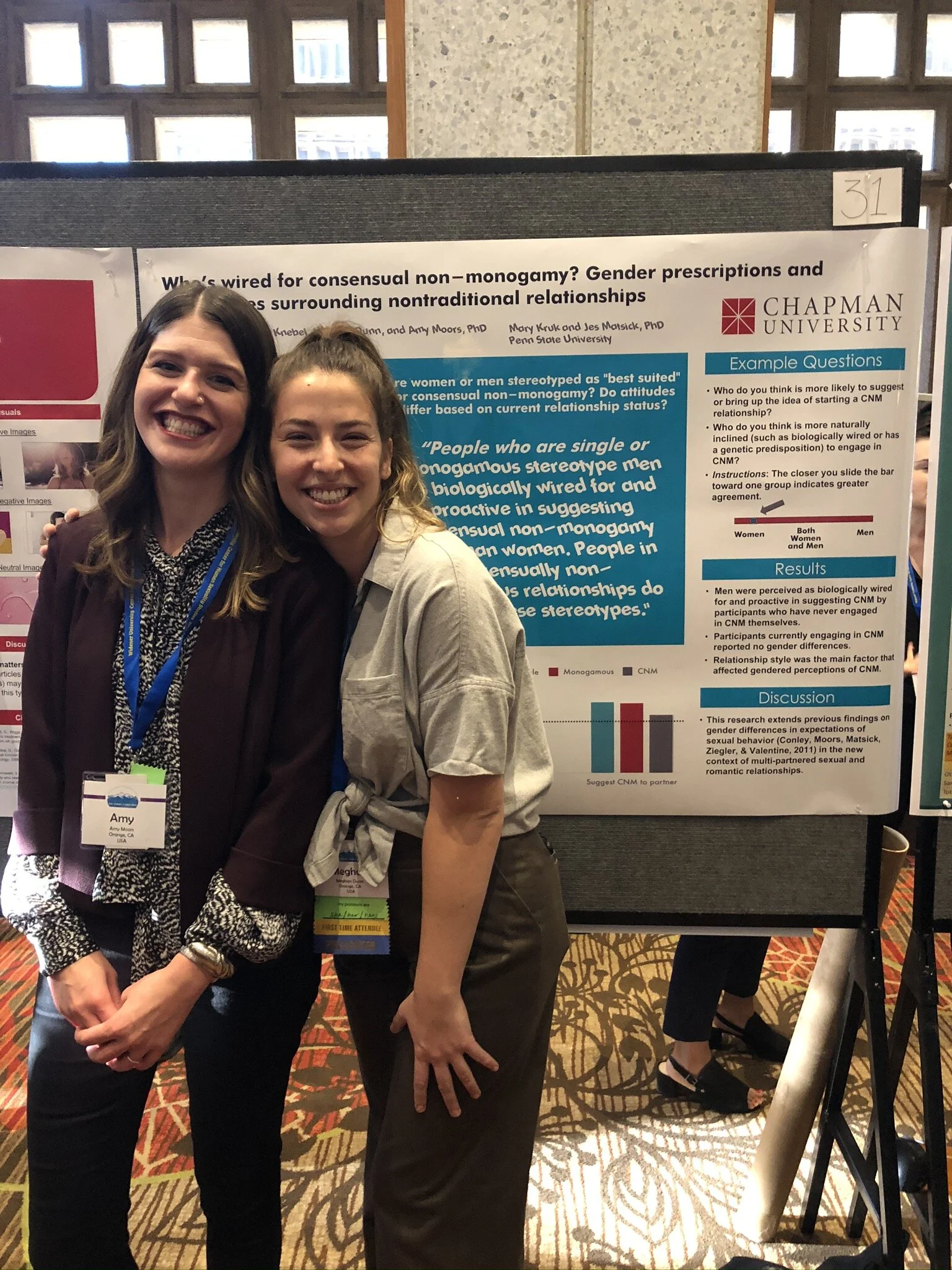
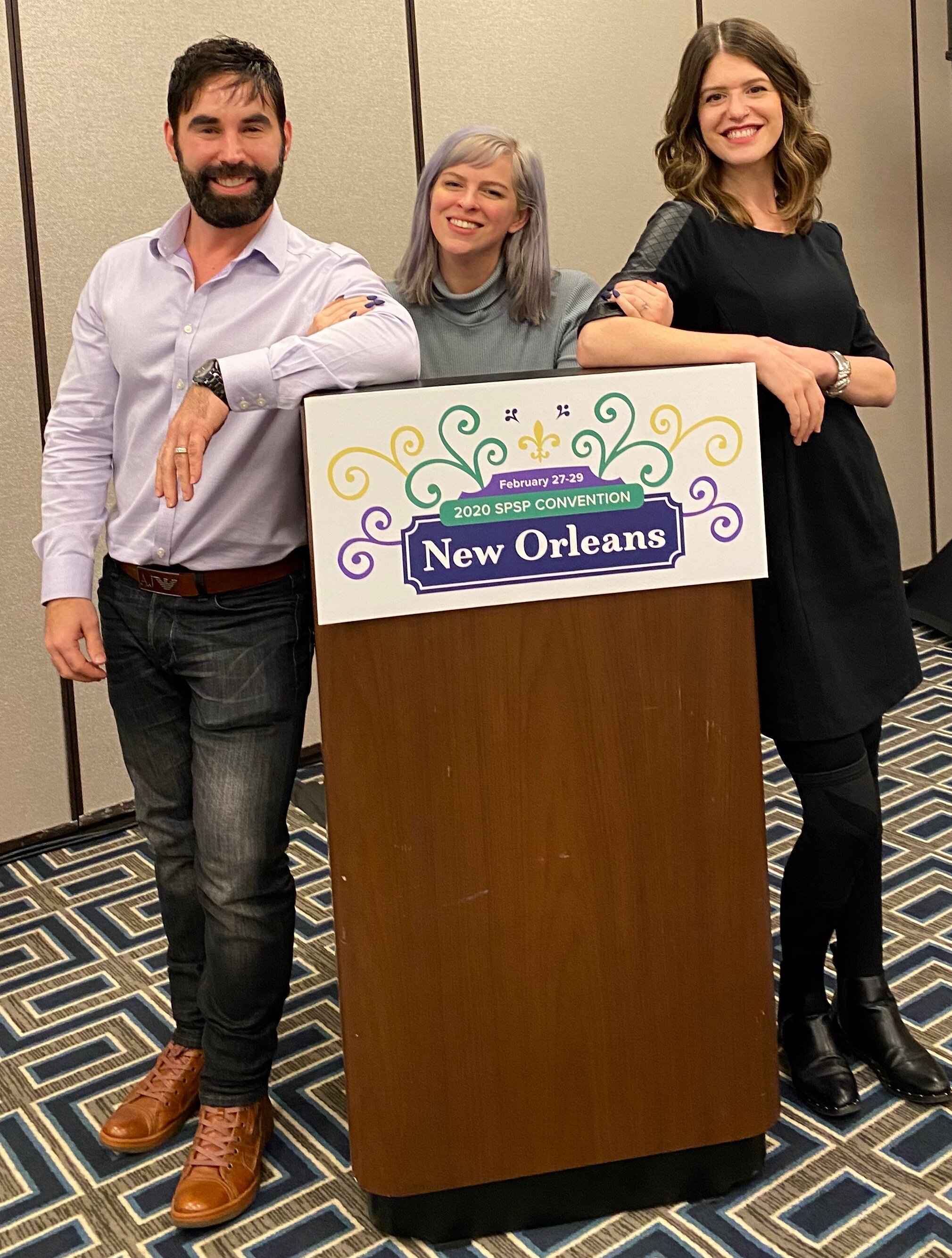
Presenting Research






Information for Students
Are you interested in being a research assistant in the ONWARD Lab? Students at Chapman can enroll in course credit. Lab members typically work 8 hours per week, depending on the number of credits enrolled. Typically, 1-2 research assistant positions are available each year.
To apply, please complete a lab application and email it to Amy (moors@chapman.edu).
The Psychology Department at Chapman is focused on undergraduate education and does not offer a graduate program. If you’re a graduate student or postdoctoral scholar at another university, feel free to send Amy an email about the possibility of collaborating.
Team Building



Work With Amy
Amy regularly delivers engaging and informative presentations or workshops on consensual non-monogamy, LGBTQ issues, ways to be an ally, and other aspects of sexuality research. She also works with non-profits and companies on survey, interview, and evaluation research to better understand the experiences and needs of their target audiences.